What I Learned from Watching People Use Our CRM for the First Time
Honest observations from watching real users onboard onto Founders Kit. What surprised me, what they struggled with, and what I changed because of them.
 Dr. Andreas Fruth
I Thought I Knew How People Would Use It
You build something for months. You know every screen, every shortcut. Then someone sits down in front of it for the first time and does something you never anticipated.
A consultant named Marcus signed up, landed on the dashboard, and immediately tried to drag a CSV file onto the screen to import his contacts. We didn't have that. He stared at the empty dashboard for ten seconds, then opened a new tab.
That ten-second pause taught me more than three months of internal testing.
Nobody Reads Your Onboarding Tooltips
I spent two weeks writing helpful tooltip copy. Nobody clicked them. Not one person.
What people actually did: they looked for the thing that felt most familiar — contacts or deals — and wanted to put their data somewhere immediately. Action first, understanding later.
So we focused on making the first action obvious. Instead of explaining the pipeline, we made adding a deal take fifteen seconds.
People don't want to learn your tool. They want to use it.
The Feature They Loved Wasn't the One I Expected
I assumed the pipeline view would hook people. But the strongest reaction was to the morning briefing. A founder named Julia messaged us: "That email this morning with my priorities — is that automatic? That's the first time a tool has told me what to focus on."
For someone juggling twelve things before 9 AM, being told "here are your three priorities today" is worth more than a beautiful Kanban board. We invested heavily in the briefing after that.
People Talk to Kit Like a Person
I expected short, keyword-based queries. "Show deals." "Find contact John."
Instead, people wrote full paragraphs. One user typed: "I just got off the phone with Thomas at Reevo and he's interested in the starter plan but wants to wait until after their board meeting in two weeks so I need to follow up around April 10th."
That's exactly how founders work. Thirty seconds between calls, need to get it out of their head. This pushed us hard toward conversational input as a first-class interaction model.
The Day Three Problem
Several users would sign up, add contacts, create a deal or two, and then go quiet for a week. The common answer: "I didn't know what to do next."
The tool just sat there after setup. It didn't prompt them. That feedback shaped how Kit works today — after you add your first deals, Kit starts being proactive. "You added a deal three days ago but haven't logged any activity. Want to schedule a follow-up?"
The hardest moment in onboarding isn't the first five minutes. It's day three, when the user needs a reason to come back.
What I'd Tell Another Founder
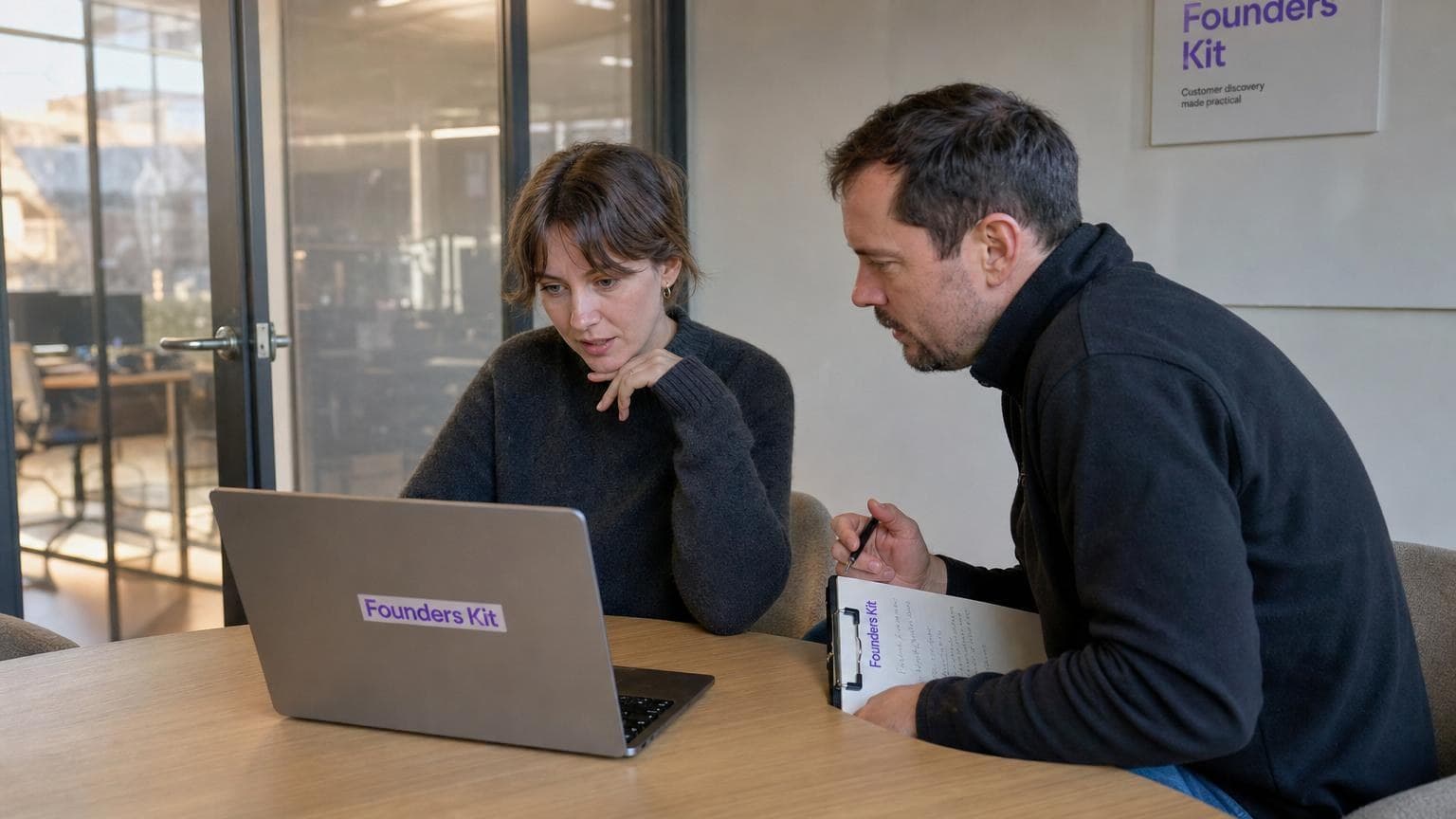
Watch people use your thing. Just sit next to someone and stay quiet. Don't help them. Let them get confused, let them surprise you.
Every assumption I had was at least partially wrong. Nothing replaces watching a real person try to do a real thing with the tool you built.
Build for the user you observed, not the user you imagined.